AI Security Governance
AI Security Controls in Vendor Contracts and SLAs
Contracts must rethink data rights, sub-processor chains, and performance measures for AI vendors.
Marco Quist
· 11 min read
Contracts must rethink data rights, sub-processor chains, and performance measures for AI vendors.
Two overlooked attacks can steal a model's secret instructions through different methods.
Buried instructions in emails and documents can hijack AI agents that access private data.
Prompt injection and jailbreaking attack different system layers and require separate defenses.
Stacking four detection layers beats relying on any single method to stop prompt injection attacks.
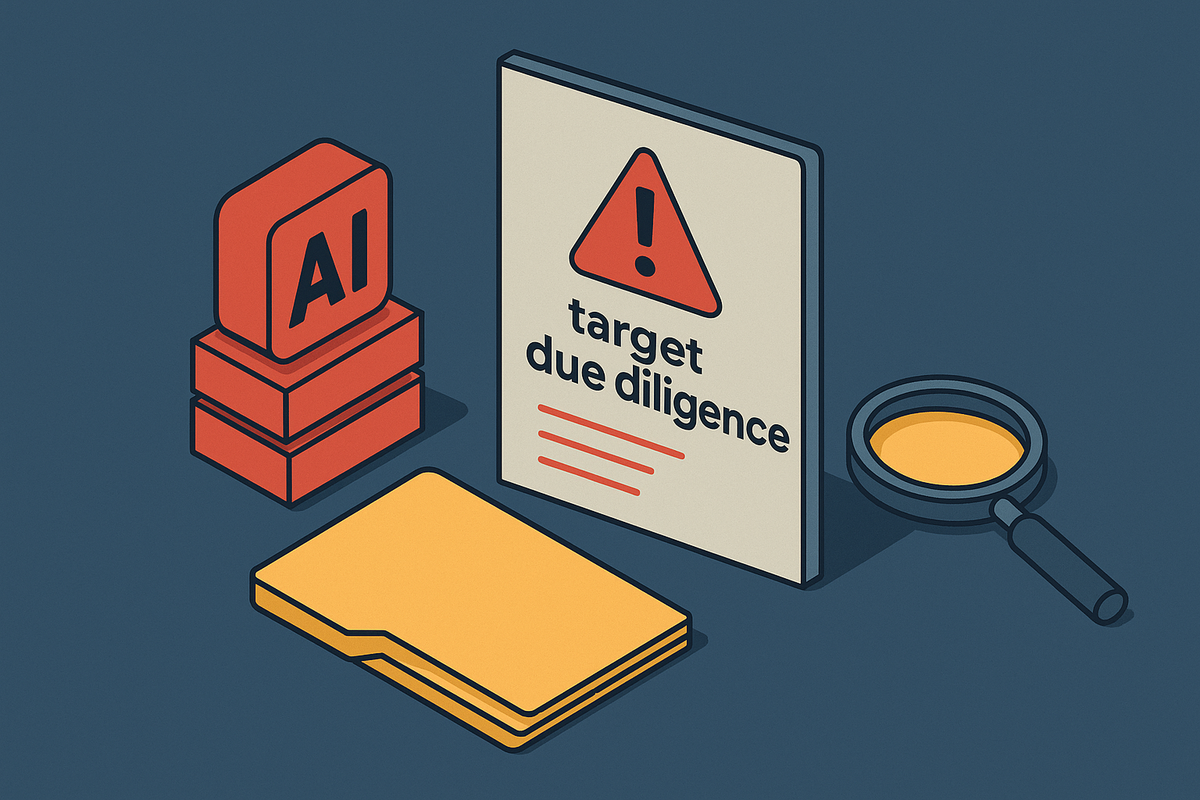
Most acquirers miss AI-specific liabilities buried in models, training data, and vendor tools.
Enterprises can't hand off AI breach liability, even when vendors fail.
Credentialed AI plugins create insider threats that existing security controls can't detect.
AI features bolted onto vendor software dodge traditional vetting entirely.
Enterprise security tools miss the four handoffs where open-source LLM compromises actually happen.
Companies run vendor AI they can't see, and silent drift costs millions.
Contracts must account for AI's shifting outputs, data loops, and shared liability chains.