AI Agent Security
Least Privilege Principles Applied to AI Agents
Static roles can't handle how AI agents actually behave in practice.
Bianca Espinoza
· 12 min read
Static roles can't handle how AI agents actually behave in practice.
LLMs need their own security category because traditional tools can't stop prompt injection attacks.
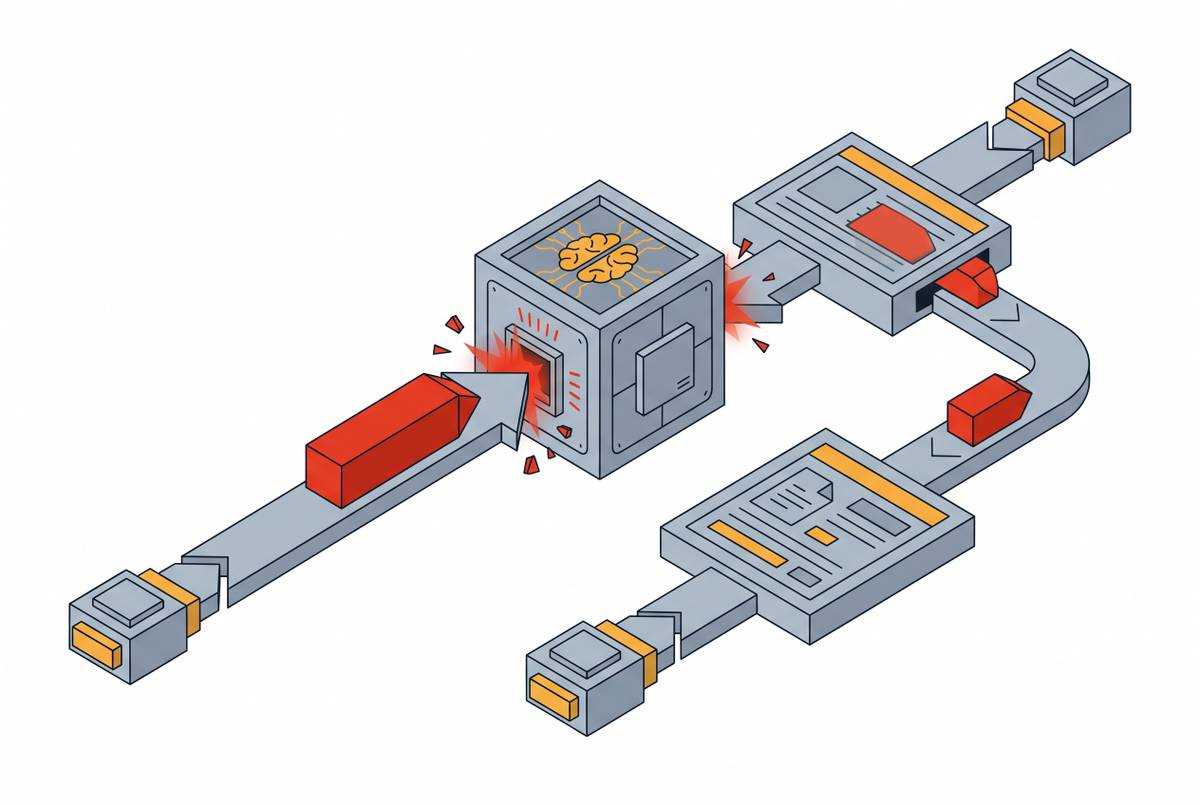
How LLMs confuse instructions from data in two dangerous ways.
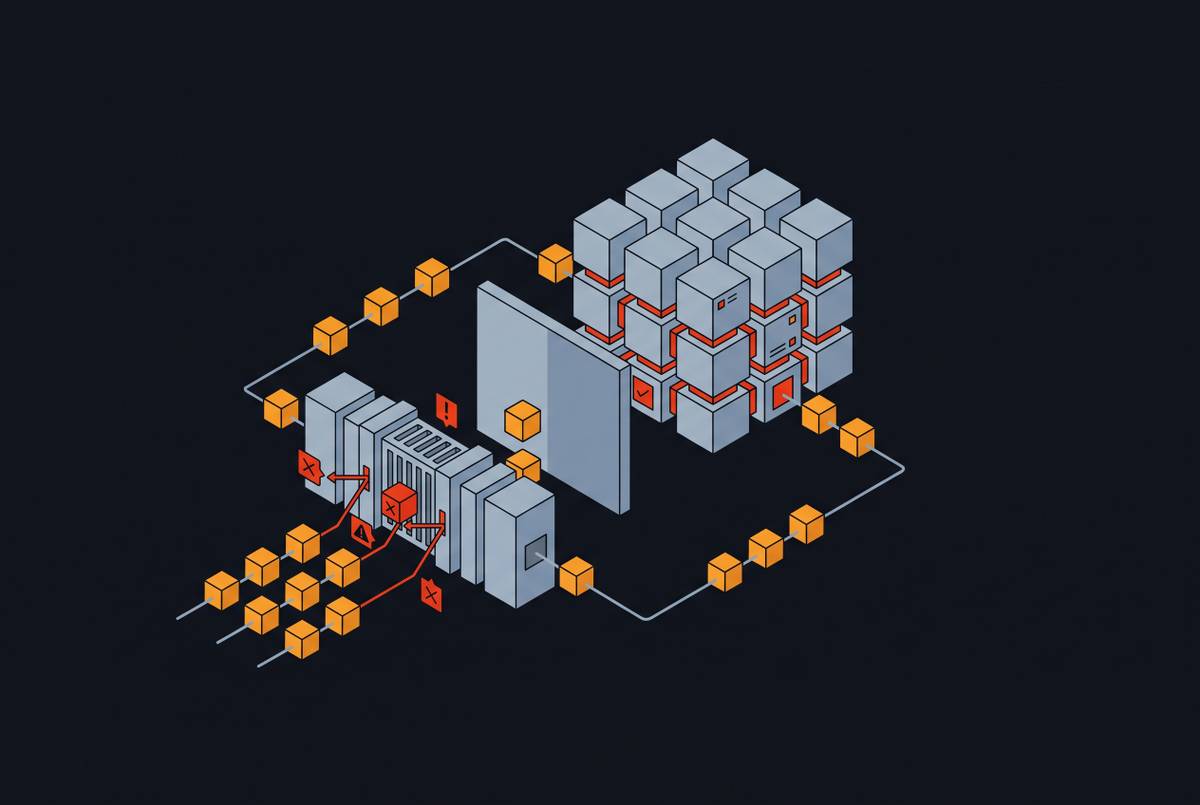
Enterprises can't patch prompt injection, but three-layer defense reduces the damage.
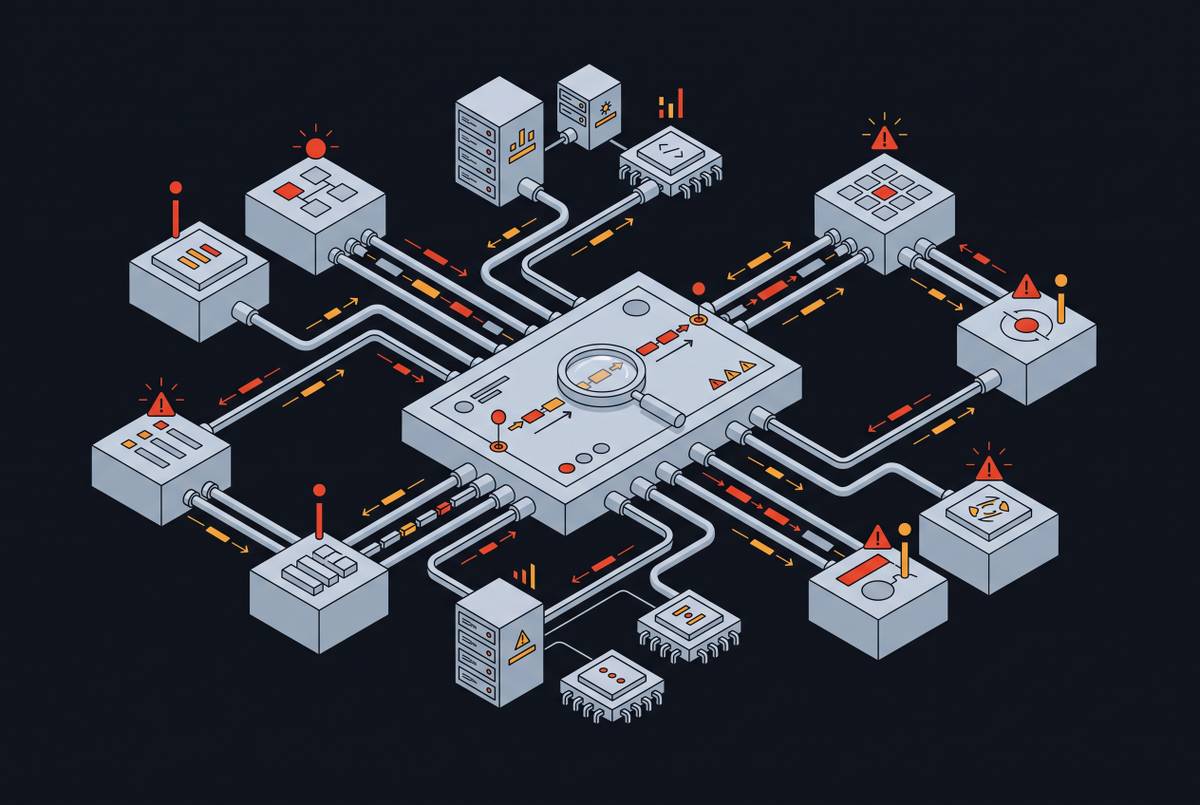
Annual vendor reviews cannot keep pace with AI systems that change weekly or daily.
Enterprise AI risk concentrates in vendor layers, not internal models.
Persistent agent memory creates attack surfaces that outlast individual sessions.
Attackers exploit retrieved documents to inject malicious instructions into LLM systems.
Layered defenses reduce prompt injection risk, but no single pipeline can eliminate it entirely.
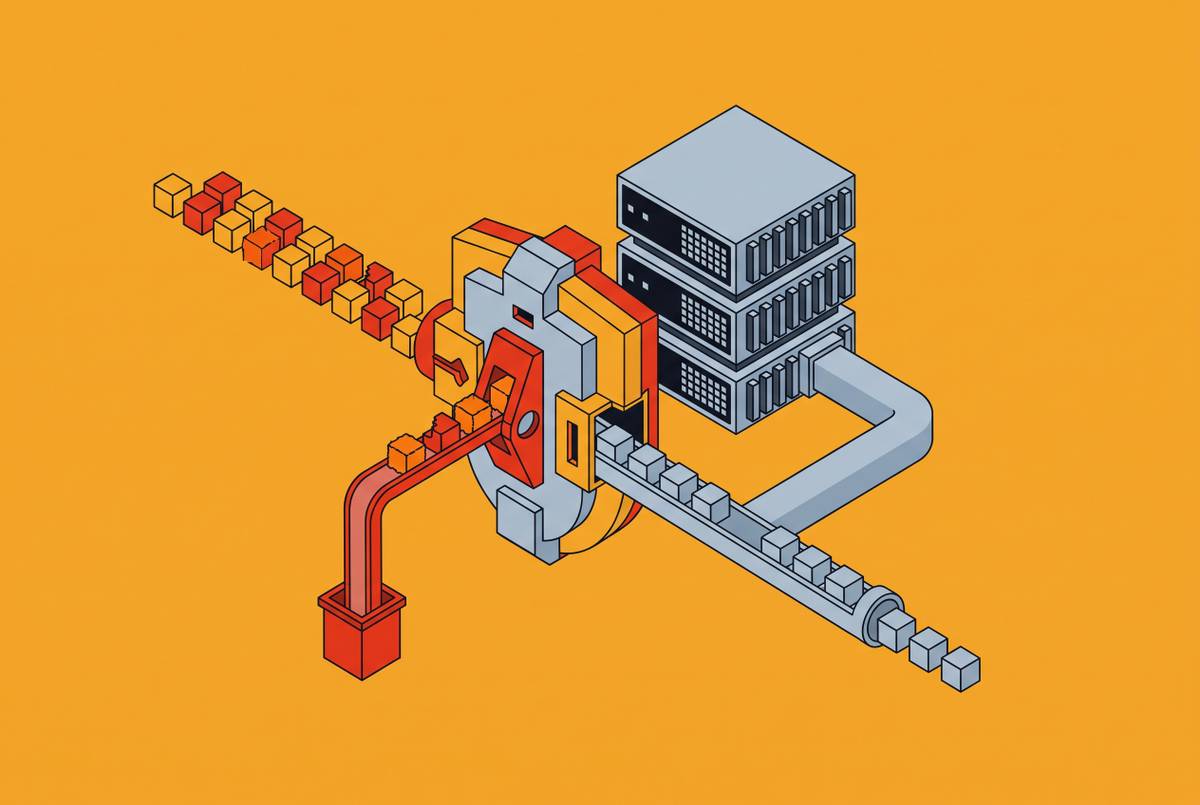
Fine-tuned classifiers catch most injections, but evasion techniques defeat them consistently.
NIST's AI framework requires organizational governance before individual system controls can work.
Most organizations document NIST compliance but never run it against live LLM deployments.